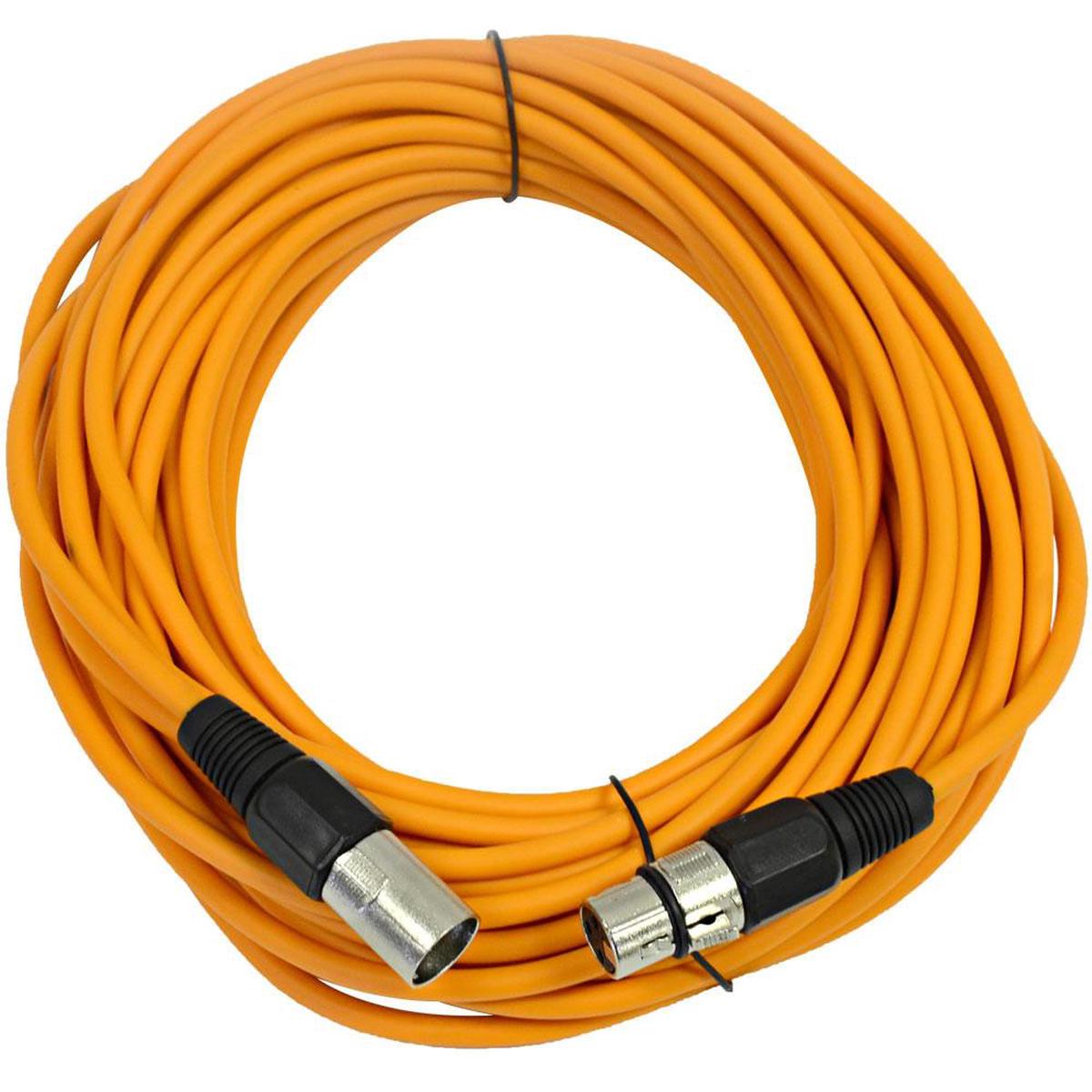
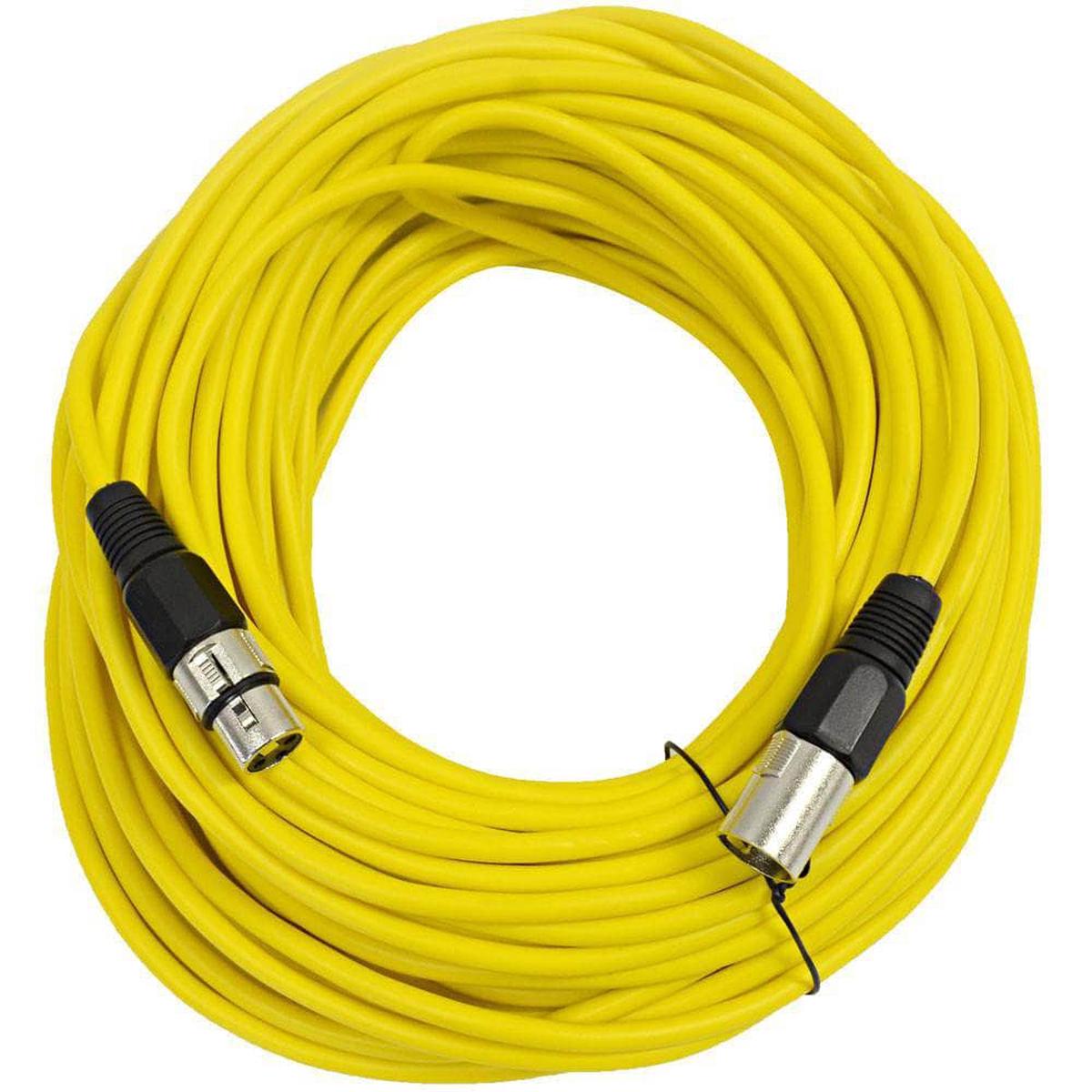
Professional XLR microphone cable built for demanding live sound applications where signal integrity and durability matter. The SAXLX-50 delivers clean, balanced audio transmission for vocal mics, instrument connections, and professional audio gear.
This 50-foot XLR cable handles the full frequency spectrum without signal degradation, making it ideal for stage setups where microphones need to reach front-of-house mixing consoles. The heavy-duty flexible rubber jacket protects against stage wear while maintaining cable flexibility for easy routing.
22-gauge oxygen-free copper conductors ensure enhanced signal clarity and superior RF rejection, critical for live performance environments with wireless systems and lighting equipment. The shielded design prevents interference from power cables and electronic devices. Metal 3-pin XLR connectors (male to female) provide secure, professional connections that won’t fail mid-performance.
Perfect for musicians, DJs, churches, recording studios, broadcasters, and theater production. The 50-foot length covers most stage-to-console distances without requiring splicing or extensions.
Standard XLR connectivity works with all professional microphones, mixing consoles, audio interfaces, and balanced line-level equipment. The female connector attaches to your source output and the male connector to your destination input.
Every SAXLX-50 cable includes a one-year warranty and ships fast from Seismic Audio’s warehouse. Built to handle the rigors of touring and permanent installations.
| Spec | Value |
|---|---|
| Model | SAXLX-50 |
| Length | 50 Feet |
| Color | Orange |
| Connectors | Metal 3-Pin XLR (Male & Female) |
| Cable Type | Balanced XLR/Microphone |
| Conductor | 22g Oxygen-Free Copper (OFC) |
| Jacket | Heavy Duty Flexible Rubber |
| Shielding | Yes |
| Signal Type | Balanced Audio/DMX |
| Warranty | 1 Year |
| Recommended For | Live sound, studio connections, DMX lighting |
XLR cables carry balanced audio signals, which means they reject noise and interference much better than unbalanced cables. The balanced design uses three conductors (positive, negative, and ground) to cancel out electrical interference, making them essential for professional microphone and line-level connections where signal quality matters.
Yes, XLR cables work for both microphone-level signals (very low voltage from mics) and line-level signals (higher voltage from mixing consoles, audio interfaces, and other pro gear). The same cable handles vocals, instruments, and balanced connections between mixers, EQs, crossovers, and amplifiers.
A 50-foot XLR cable covers most stage-to-console distances in typical live sound applications. This length works well for main vocal mics, drum overheads, and instrument mics that need to reach a front-of-house mixing position. For larger setups or more distant mic placements, consider the 100-foot version.
This cable connects wired microphones directly to mixing consoles or audio interfaces. For wireless systems, you’d use it to connect the wireless receiver (which sits near your mixer) to your mixing console’s XLR input. The wireless mic itself doesn’t need a cable it transmits to the receiver wirelessly.
While XLR cables can work for DMX lighting connections, there are important limitations. Audio XLR cables are typically 75-ohm impedance while DMX specifications call for 120-ohm impedance. This impedance mismatch can cause signal reflections and data errors, especially in longer cable runs or complex lighting setups. For critical DMX applications, dedicated 120-ohm DMX cables are recommended for reliable performance.
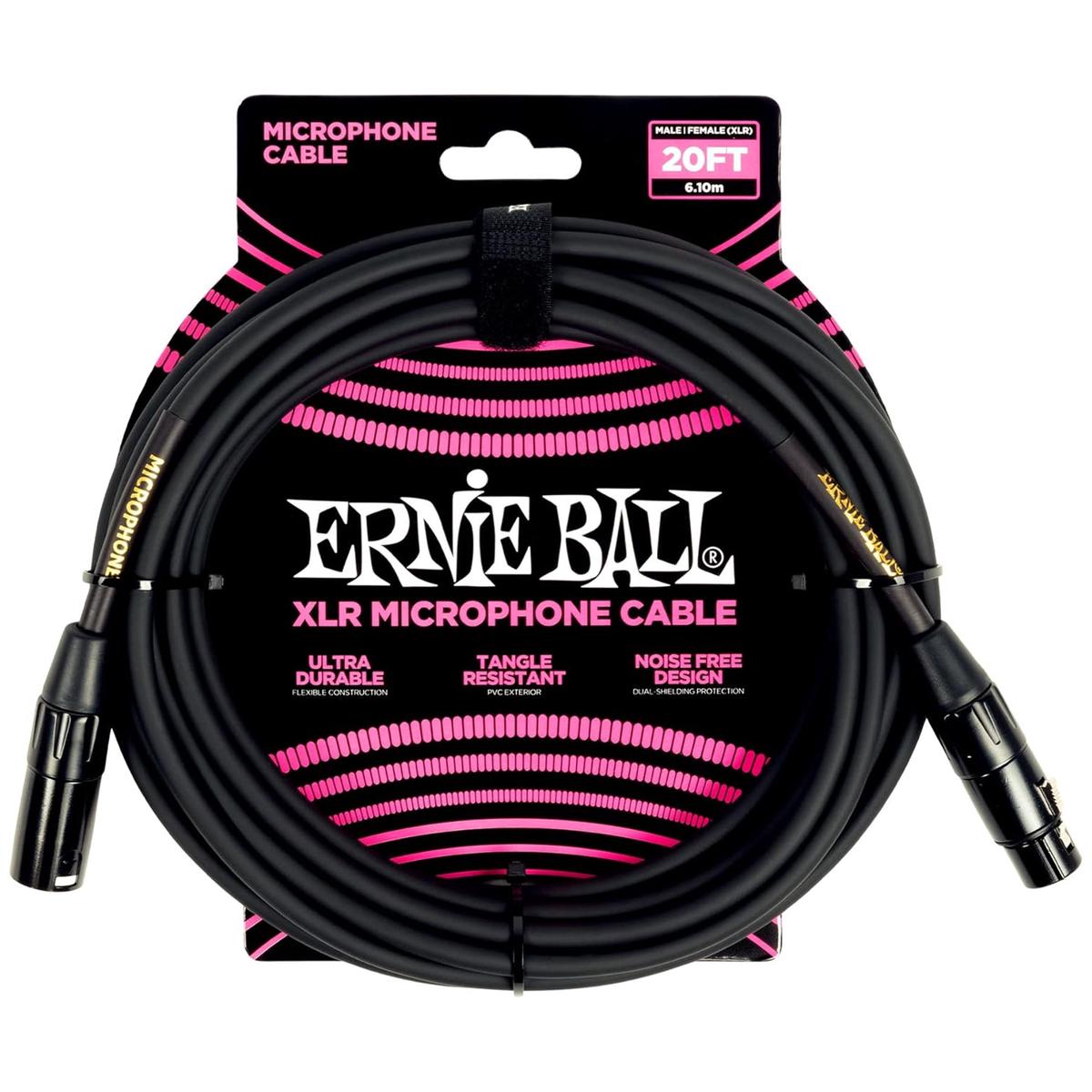
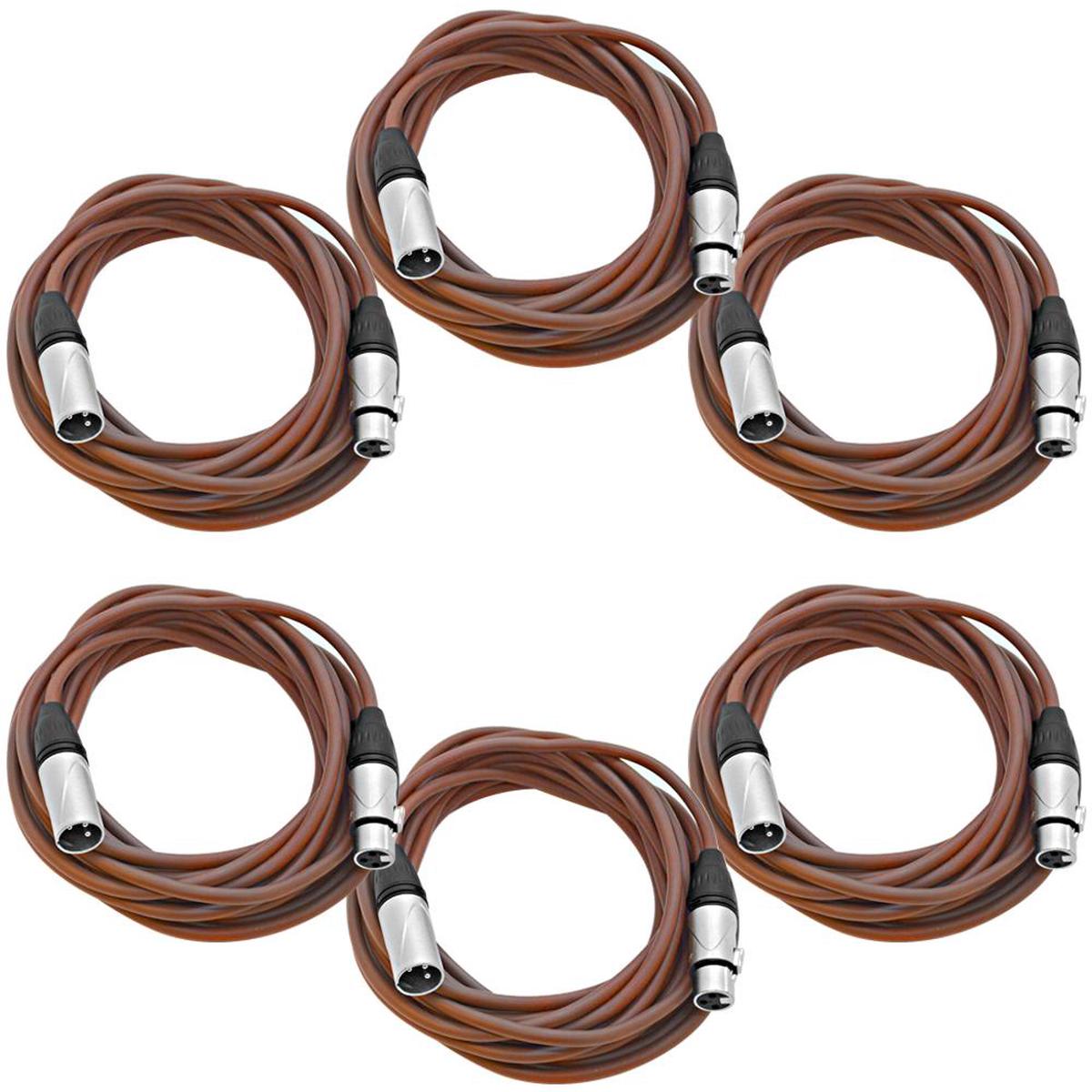
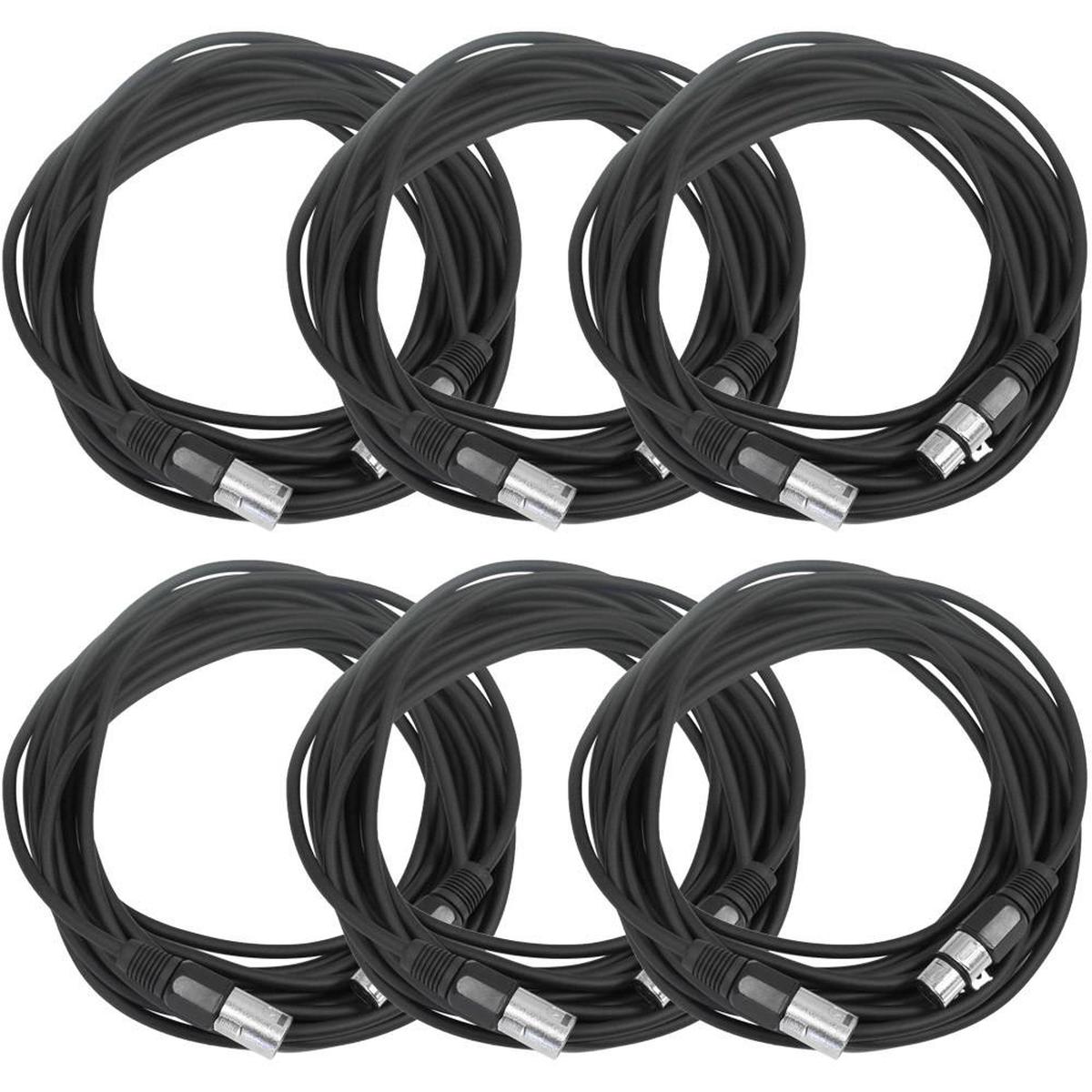
More styles you’ll love.

Reviews (0)
There are no reviews yet.